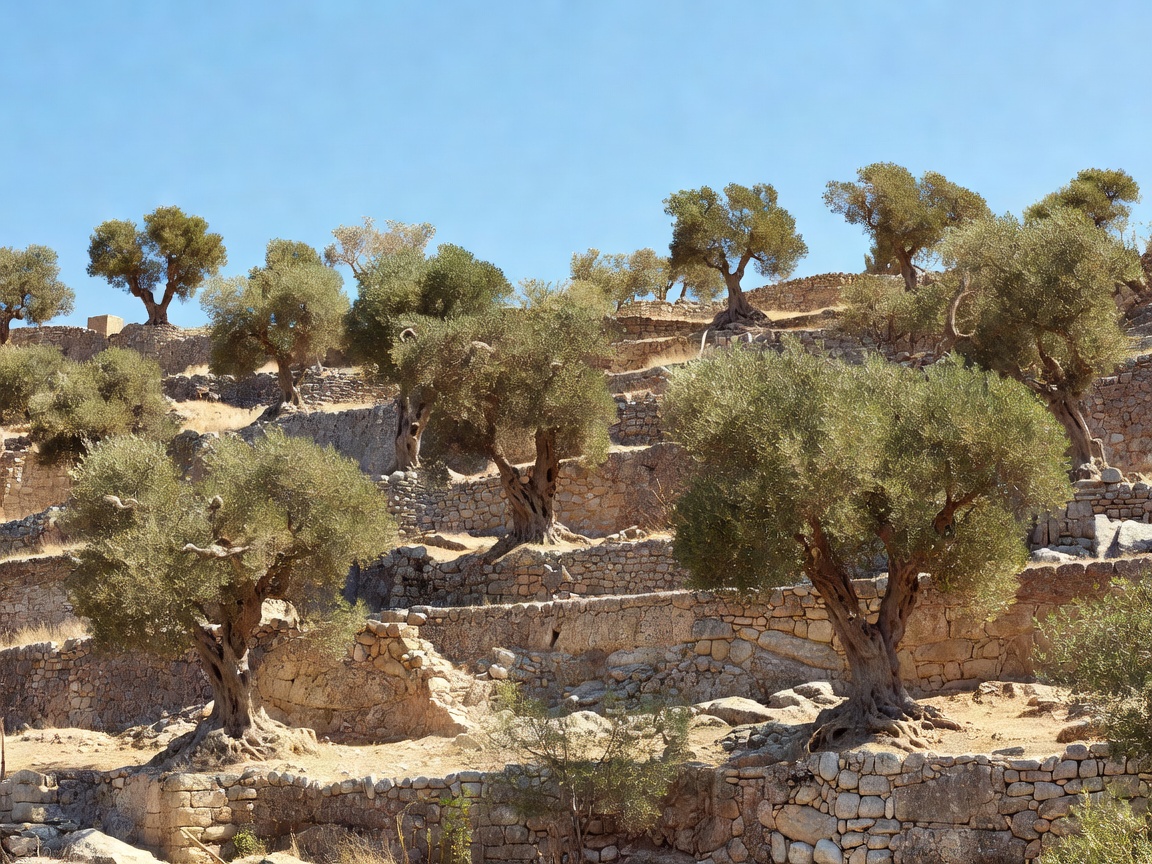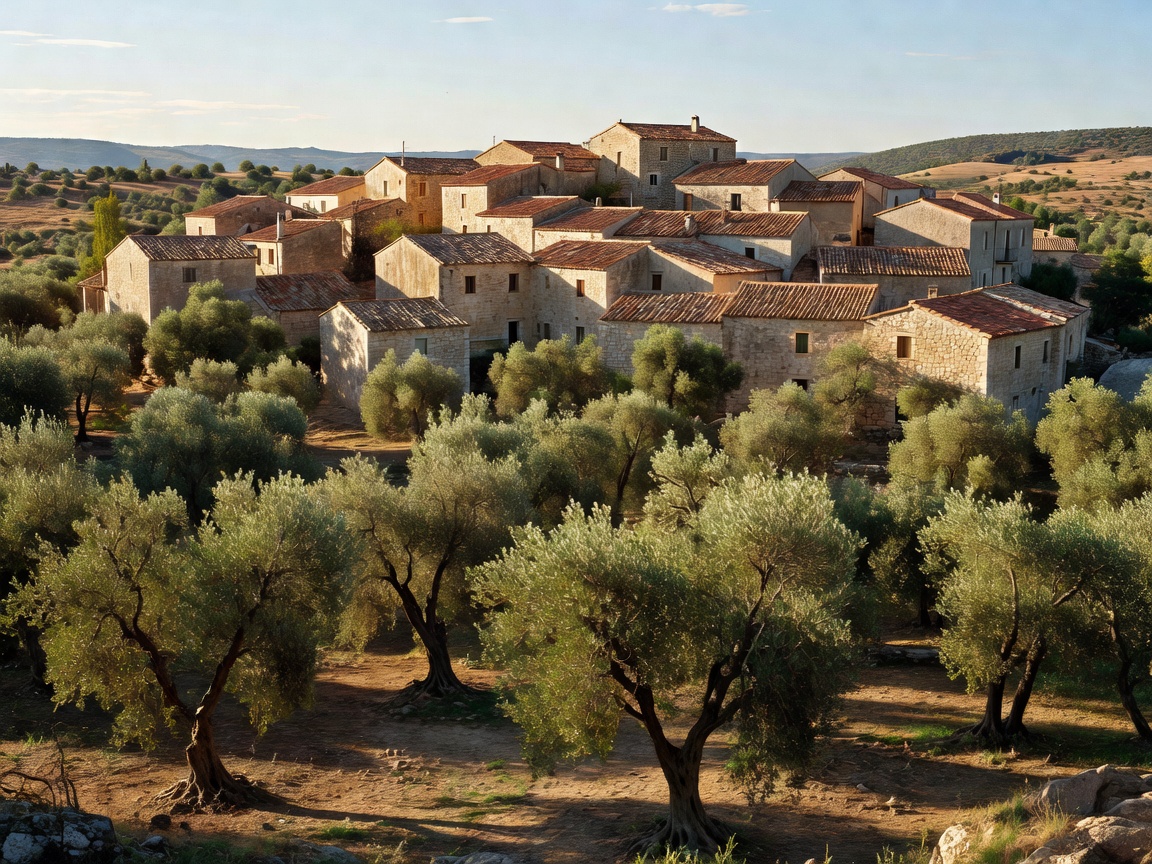
Mediterranean Regions
From the Aegean archipelagos to the rugged Iberian coast and North African shores, see how geography shapes every bowl.
Food, places, products and culinary traditions around the Mediterranean basin. We look past the tourist cliches to show how coastlines, mountain soils, and centuries of seafaring traders built the world's most vibrant tables.
Whether you're curious why Greek olive oil tastes so different from Spanish oil, or trying to pick your next food journey from Valencia to Split, we've broken it all down into friendly, practical guides.
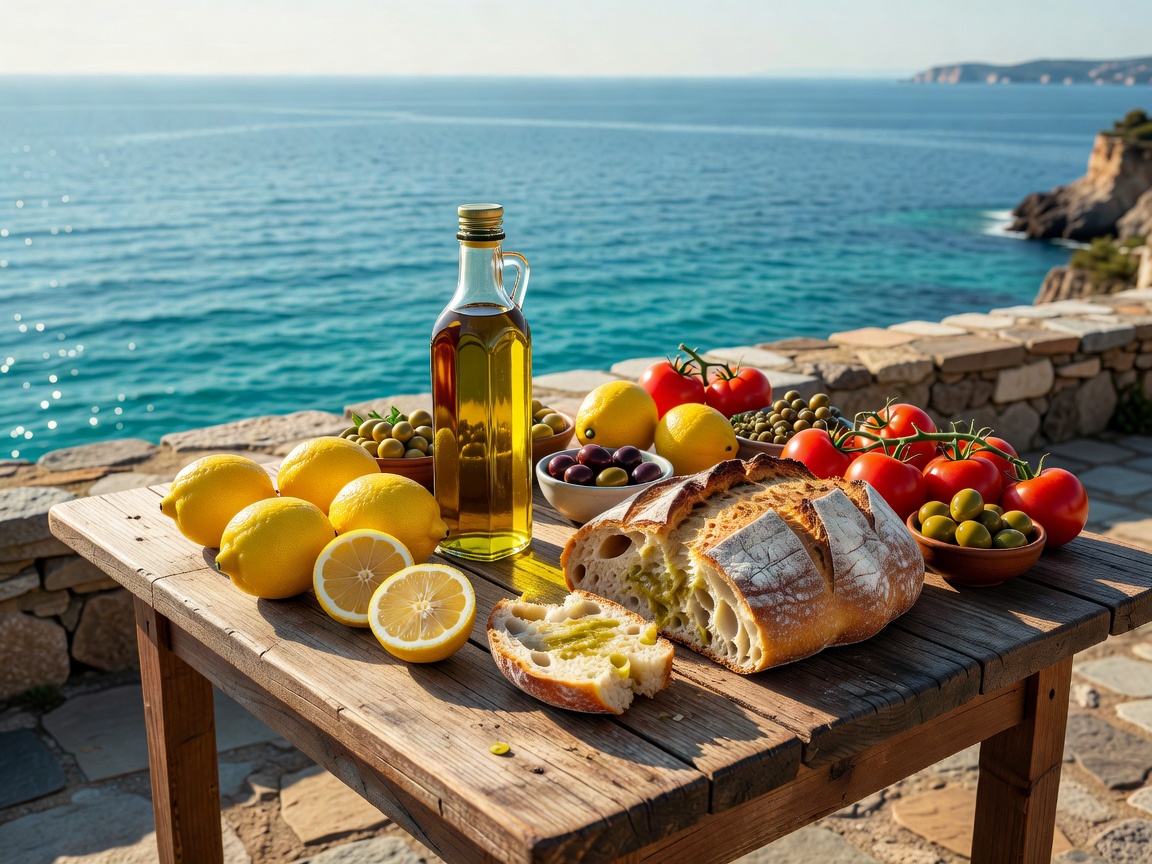
Mediterranean cooking isn't one monolithic rulebook. It's a mosaic of microclimates, family pantries, and seaside fish piers.
From the Aegean archipelagos to the rugged Iberian coast and North African shores, see how geography shapes every bowl.
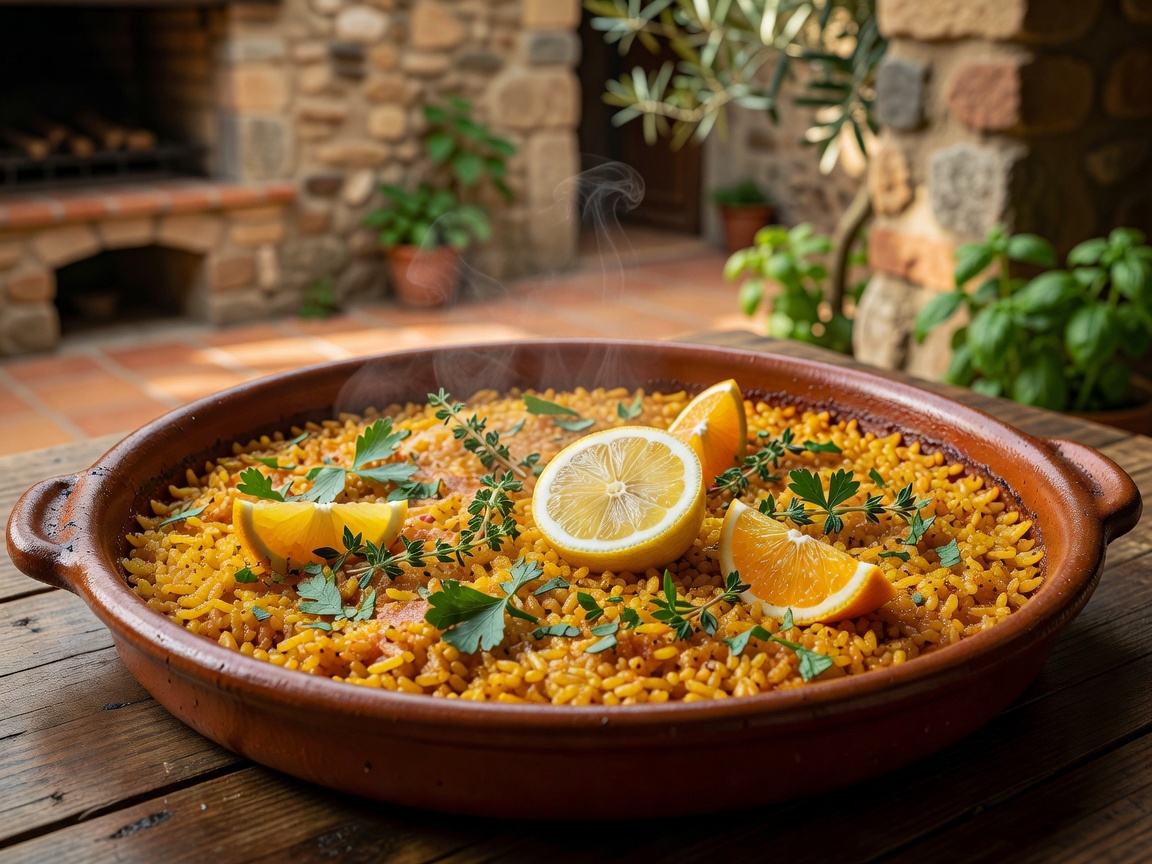
Understand the real stories and techniques behind moussaka, ratatouille, shakshuka, paella, and shared mezze plates.
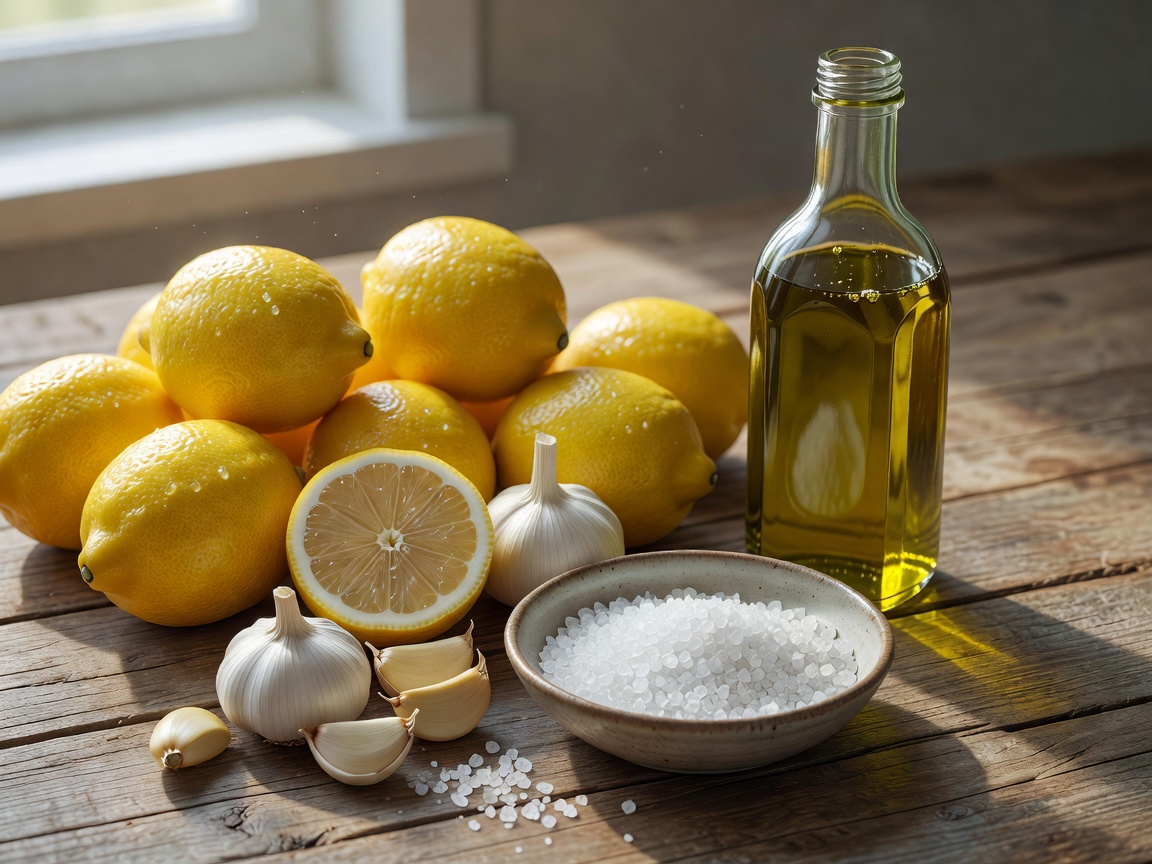
Olive oil pressings, sun-dried pulses, mountain oregano, salted capers, and ripe eggplants. The building blocks explained.
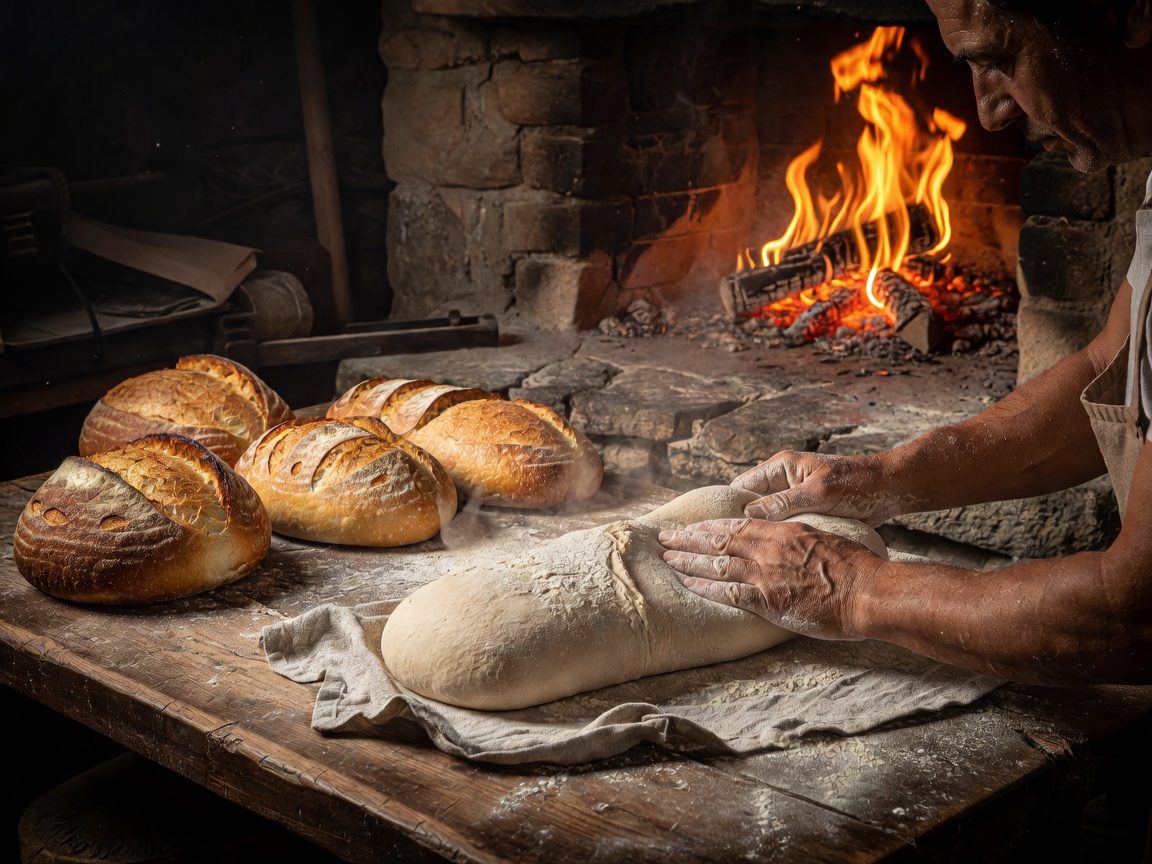
Wood-fired communal ovens, afternoon market bargaining, seasonal fermenting, and the art of unhurried multi-generational feasts.
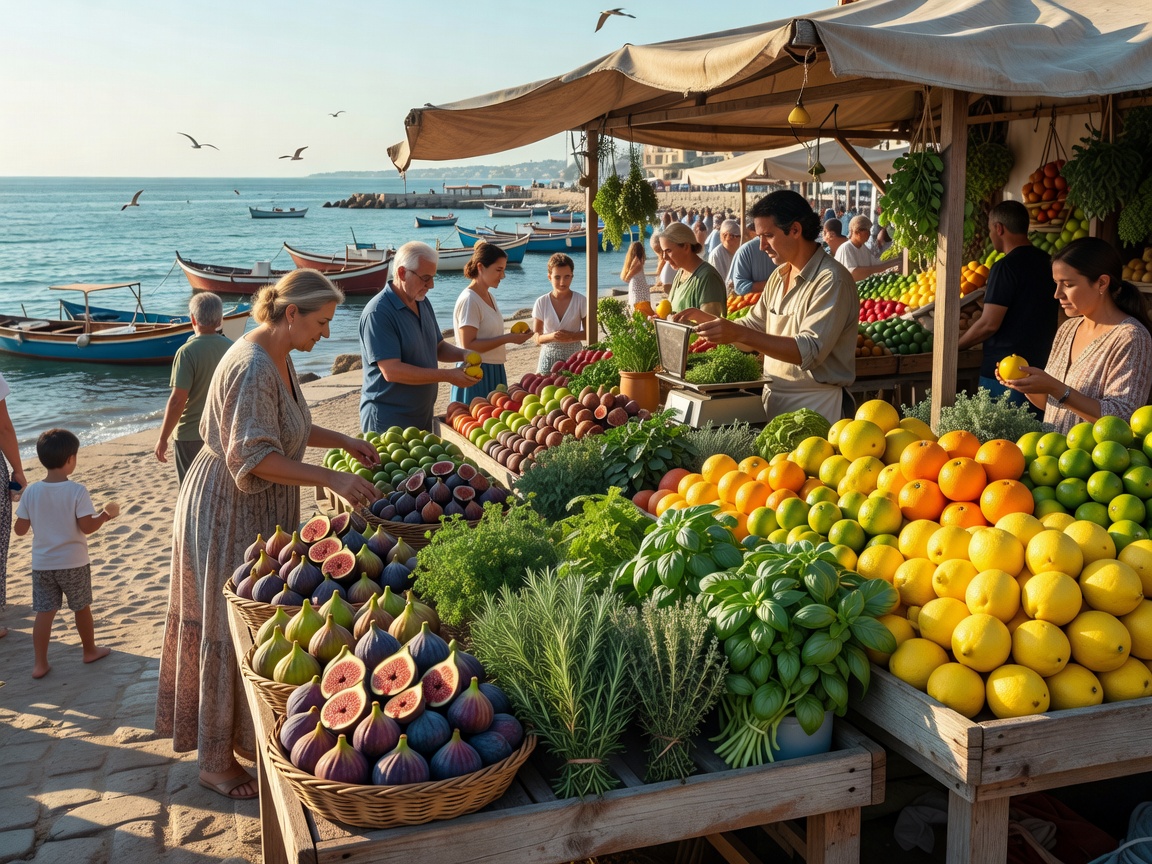
Practical eating guides for Athens, Naples, Palermo, Nice, Barcelona, Split, Valletta, and quiet seaside fishing hamlets.
If you tell someone in the Andalusian hills that Mediterranean food is all about grilled sea bass and delicate white wine, they will look at you with genuine confusion. Step just thirty miles inland anywhere along the Mediterranean basin and the food shifts dramatically.
Coastal cooks rely on quick heat, day-boat catches, gentle lemon juices, and leafy wild greens. Mountain communities, on the other hand, survived freezing winters by curing pork, stewing chickpeas with smoked paprika, baking dense sourdoughs, and aging firm sheep's milk cheeses.