Travel & Food Atlas

Exploring the Mediterranean Through Food

The fastest way to understand any Mediterranean city is not through a museum queue, but by heading straight to its central market hall at eight in the morning. When you watch a vendor slice fresh sheep cheese or see dockworkers argue over grilled sardines, you see the real pulse of the community.

Here is our practical guide to key food hubs across the sea, along with realistic advice for making the most of your travels.

Greece • Central Aegean
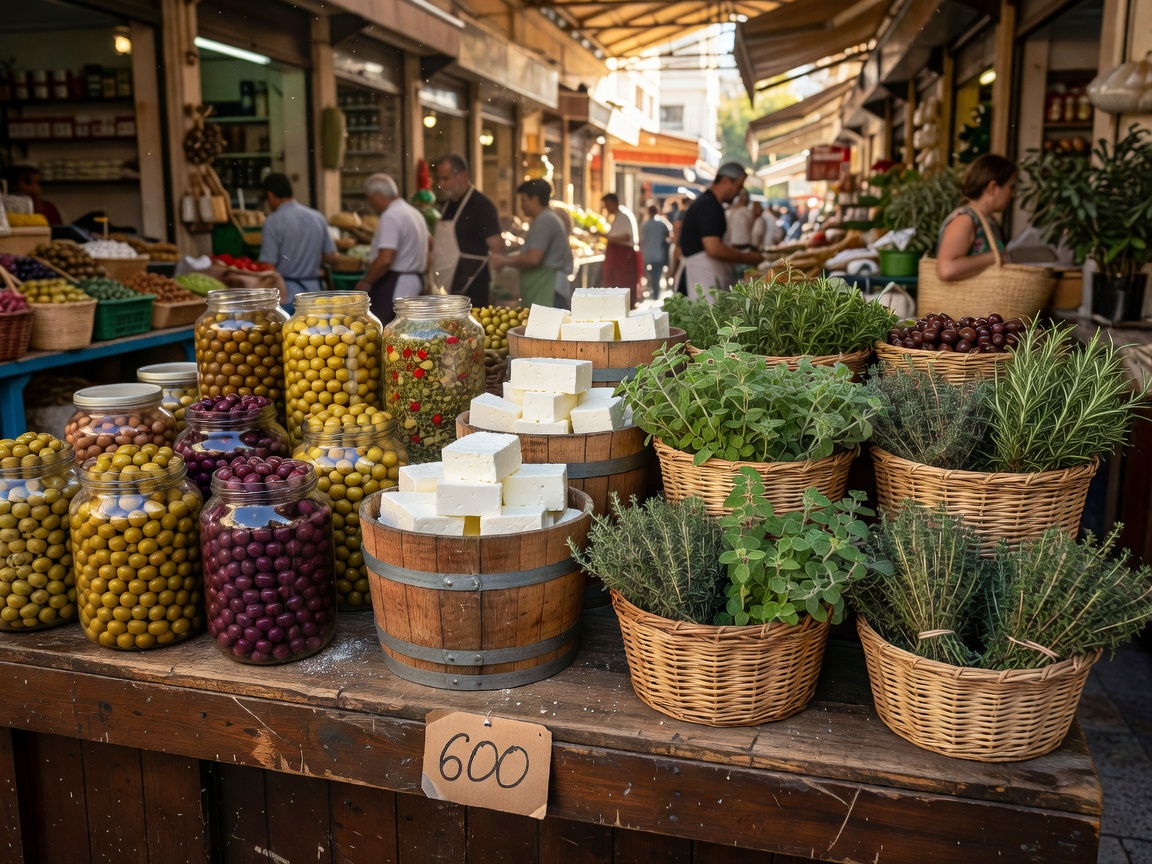
Athens central market stall with olives, feta barrels, and herbs

Athens & The Saronic Coast

Beyond the Acropolis lies Varvakios Agora, the sprawling central meat and fish market. In the surrounding alleys of Psirri and Pangrati, modest tavernas (koutoukia) serve warm revithada chickpea stews and grilled octopus.

  • Key Food Stop: Varvakios Central Market & neighborhood laiki (farmers' markets).
  • Best Time: May to June or September to October when markets overflow with fresh figs and tomatoes.
Southern Italy & Sicily
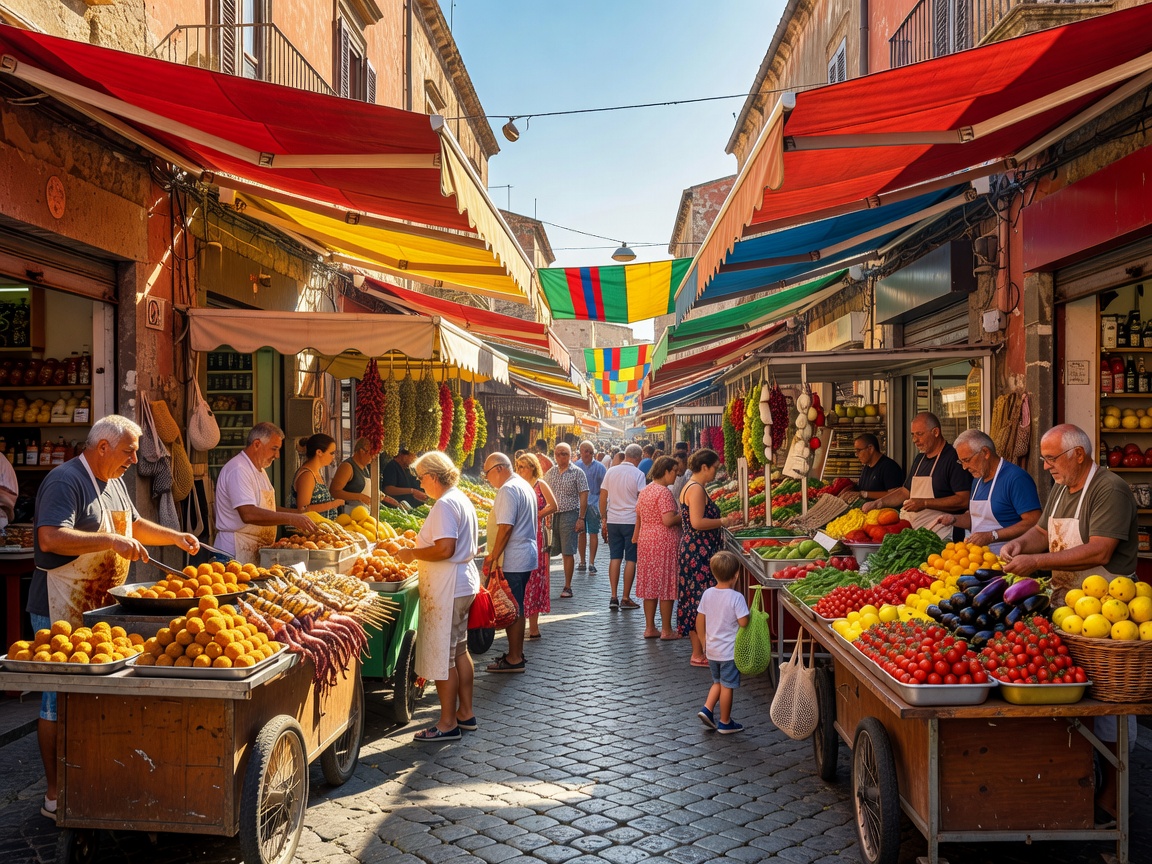
Vibrant Sicilian market street with street food stalls and colorful awnings

Naples & Palermo

Naples is the birthplace of soft, blistering wood-fired pizza and fried street snacks (cuoppo). Palermo offers deep Arab-Sicilian market heritage at Ballarò and Vucciria, where vendors chant over panelle chickpea fritters and fresh arancine.

  • Key Food Stop: Ballarò Market (Palermo) & Pignasecca Market (Naples).
  • What to Try: Sfogliatella, caponata, pasta con le sarde, pizza a portafoglio.
Spain • Western Coast
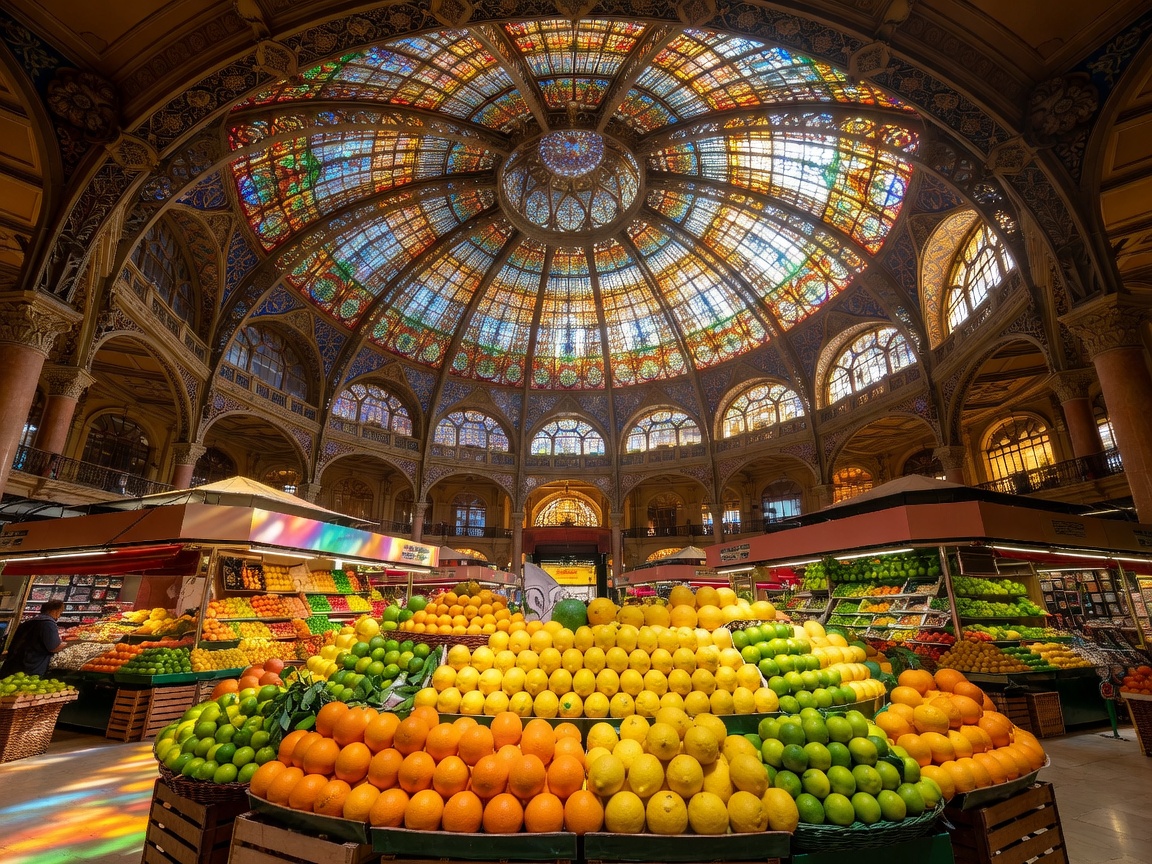
Mercat Central Valencia with high domed stained glass and fresh citrus fruit displays

Barcelona & Valencia

Valencia's Mercat Central is one of Europe's largest fresh food markets, surrounded by the Albufera lagoon where genuine paella is cooked over orange wood. Barcelona's Gràcia neighborhood offers tapas away from heavy tourist corridors.

  • Key Food Stop: Mercat Central (Valencia) & Mercat del Ninot (Barcelona).
  • What to Try: Esgarraet (roasted peppers with salt cod), Horchata with fartons.
France • Côte d'Azur & Provence
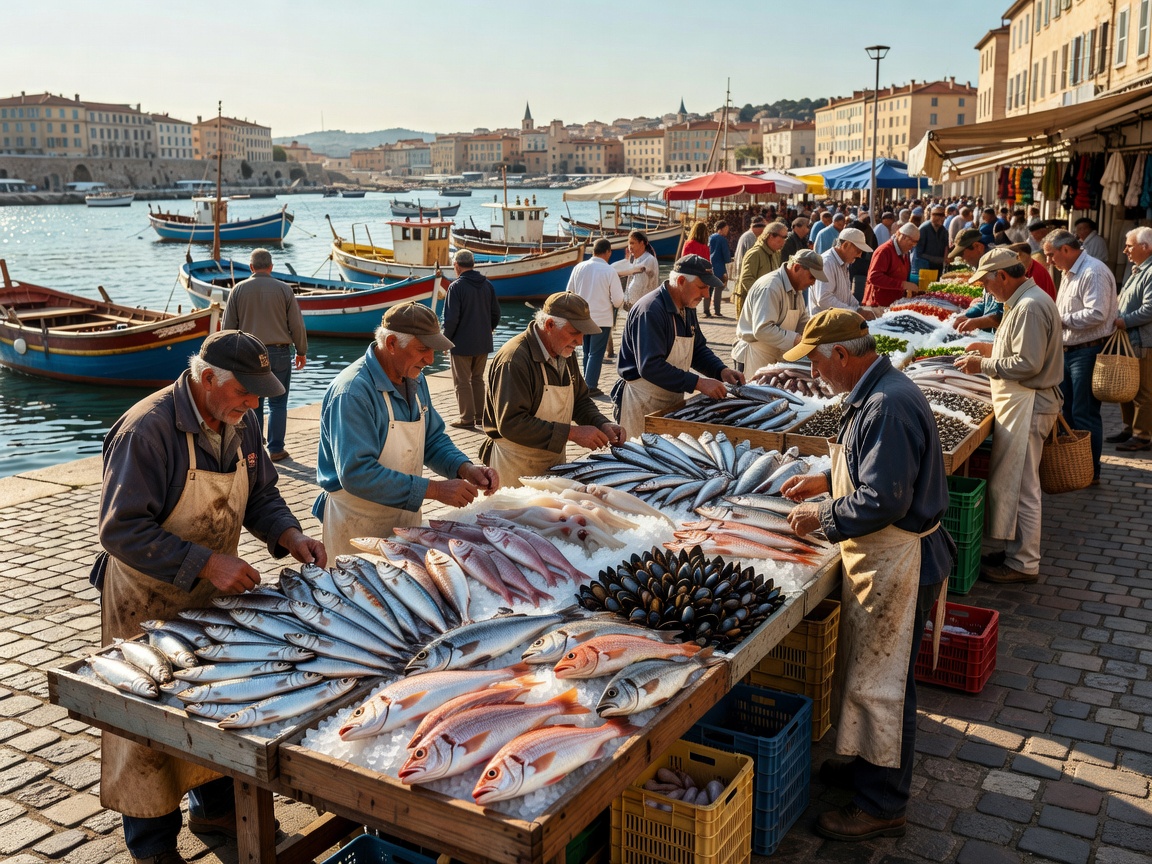
Morning fish market stalls along the sunny harbor of Marseille

Marseille & Nice

Marseille is rough, vibrant, and sea-focused, famous for the daily Quai des Belges fish auction and North African bakeries near Noailles. Nice brings Italian-influenced Niçois cooking: socca (chickpea pancakes) and salade Niçoise.

  • Key Food Stop: Cours Saleya Market (Nice) & Marché de Noailles (Marseille).
  • What to Try: Pissaladière, authentic Bouillabaisse, Pan Bagnat.
Croatia • Dalmatian Coast
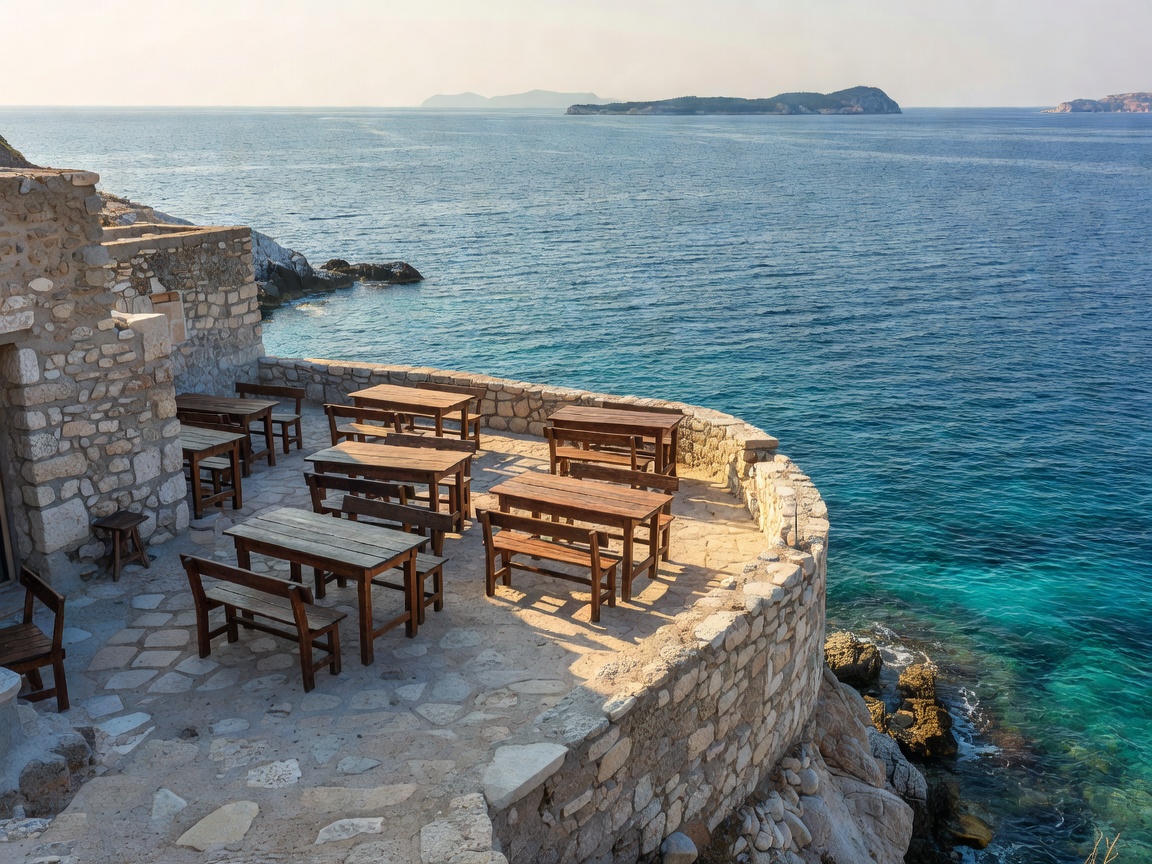
Dalmatian coastal stone tavern with rustic wooden tables overlooking blue waters

Split & The Dalmatian Coast

Split's Peškarija fish market operates right next to sulfur springs that naturally keep flies away. In Dalmatian konobas (cellar taverns), try peka (meat or octopus slow-cooked under a heavy iron bell covered in hot embers).

  • Key Food Stop: Peškarija & Stari Pazar (Split Green Market).
  • What to Try: Crni Rižot (squid ink risotto), Soparnik chard pie.
Malta • Archipelago
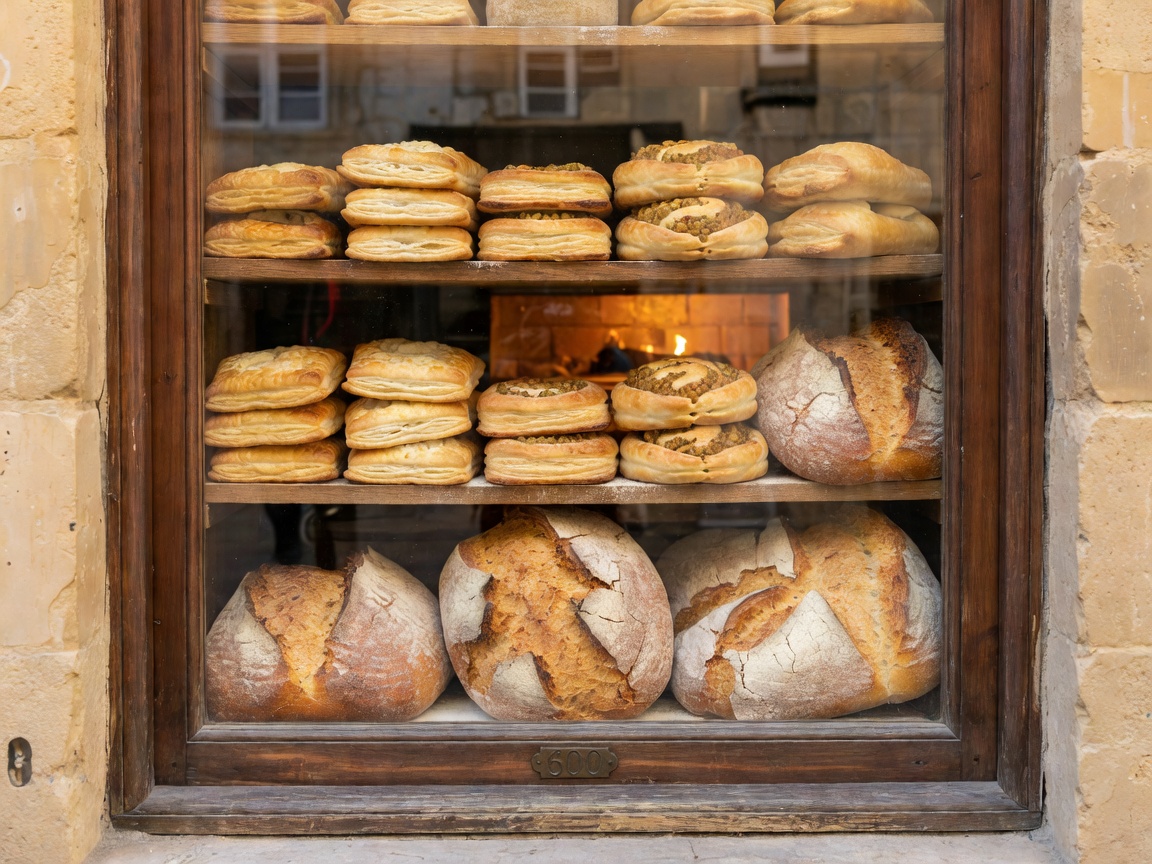
Traditional Maltese bakery window with pastizzi pastries and crusty sourdough

Valletta & The Maltese Islands

Positioned right in the center of the sea, Maltese food blends Sicilian, North African, and British influences. Bakeries turn out flaky pastizzi filled with fresh ricotta or curried peas, while coastal villages serve fresh lampuki (dorado).

  • Key Food Stop: Marsaxlokk Sunday fish market & Rabat village pastizzerijas.
  • What to Try: Stuffat tal-Fenek (rabbit stew), Ftira sourdough bread.

Practical Travel Tips for Food Lovers

Timing & Hours

In Spain, lunch runs from 2:00 PM to 4:00 PM and dinner starts after 9:00 PM. In Italy and Greece, afternoon siesta closes smaller neighborhood markets and bakeries between 1:30 PM and 5:00 PM.

Market Etiquette

Never squeeze produce with your bare hands at traditional European markets unless invited. Point to what you want, and let the vendor select the best pieces for you.

Allergies & Diets

Mediterranean cooking is naturally rich in legumes, olive oil, and vegetables, making it hospitable for vegetarians. However, cross-contamination with nuts (almonds, pine nuts) and sesame is common in pastries and sauces.

Have a question about planning your culinary itinerary?

Send our editorial desk a message or inquire about specific regional guides.

Contact Editorial Team →