Kitchen Index

Iconic Mediterranean Dishes Explained

Few things spark heated dinner-table arguments like asking where a dish truly began. Did stuffed grape leaves start in Athens or Istanbul? Who made the first cold tomato soup? The honest answer is that people moved, sailed, traded, and adapted what their rocky plots of soil could yield.

Below is a realistic look at the Mediterranean's most beloved plates: what goes into them, where you will find them at their best, and what to keep in mind when ordering or cooking them.

Greece & Levant • Baked Casserole
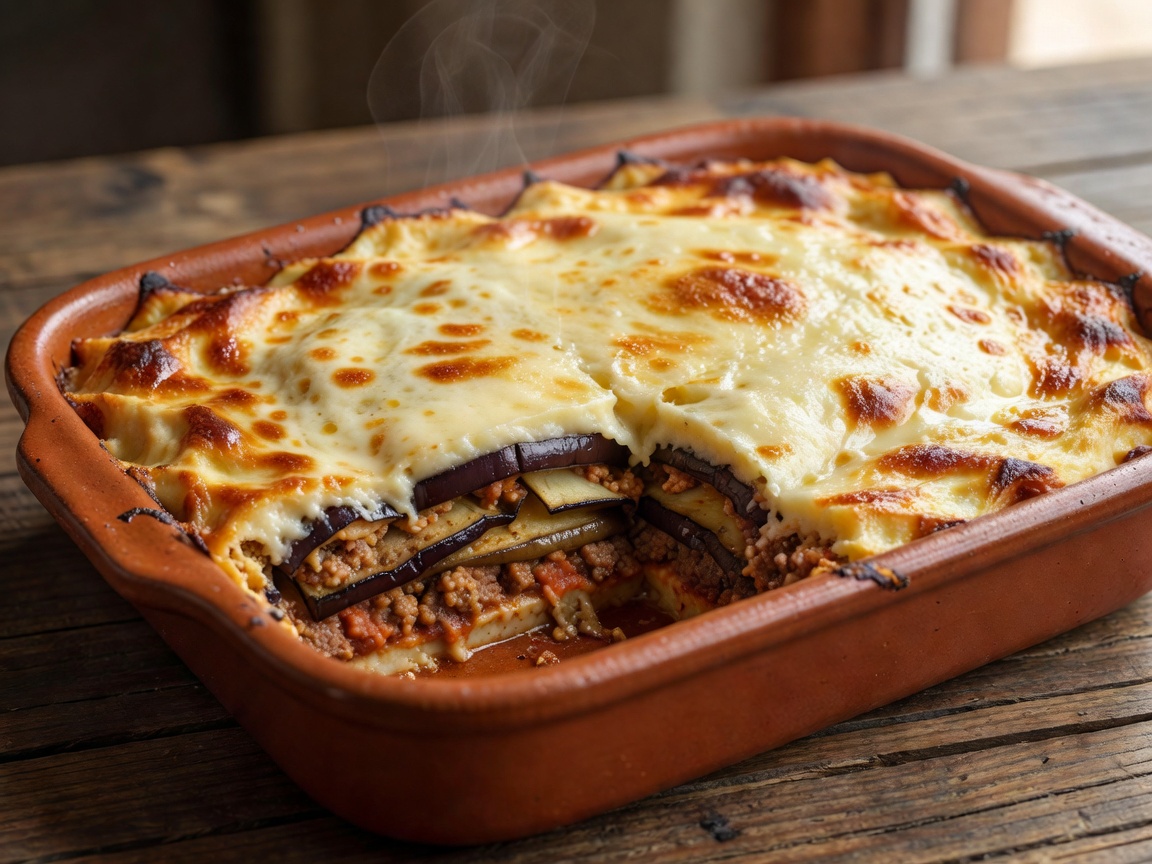
Baked Greek moussaka with golden béchamel crust and layers of eggplant

Moussaka

Layered eggplant, spiced minced lamb or beef cooked with cinnamon and clove, topped with a thick, puffed béchamel custard. In the eastern Mediterranean (Lebanon, Egypt), moussaka is often served chilled without béchamel as a tomato-rich vegetarian stew.

  • Core notes: Roasted eggplant, warming spices, olive oil, sheep milk dairy.
  • Good for: Hearty evening meals after a long day in the coastal wind.
Spain • Rice & Saffron
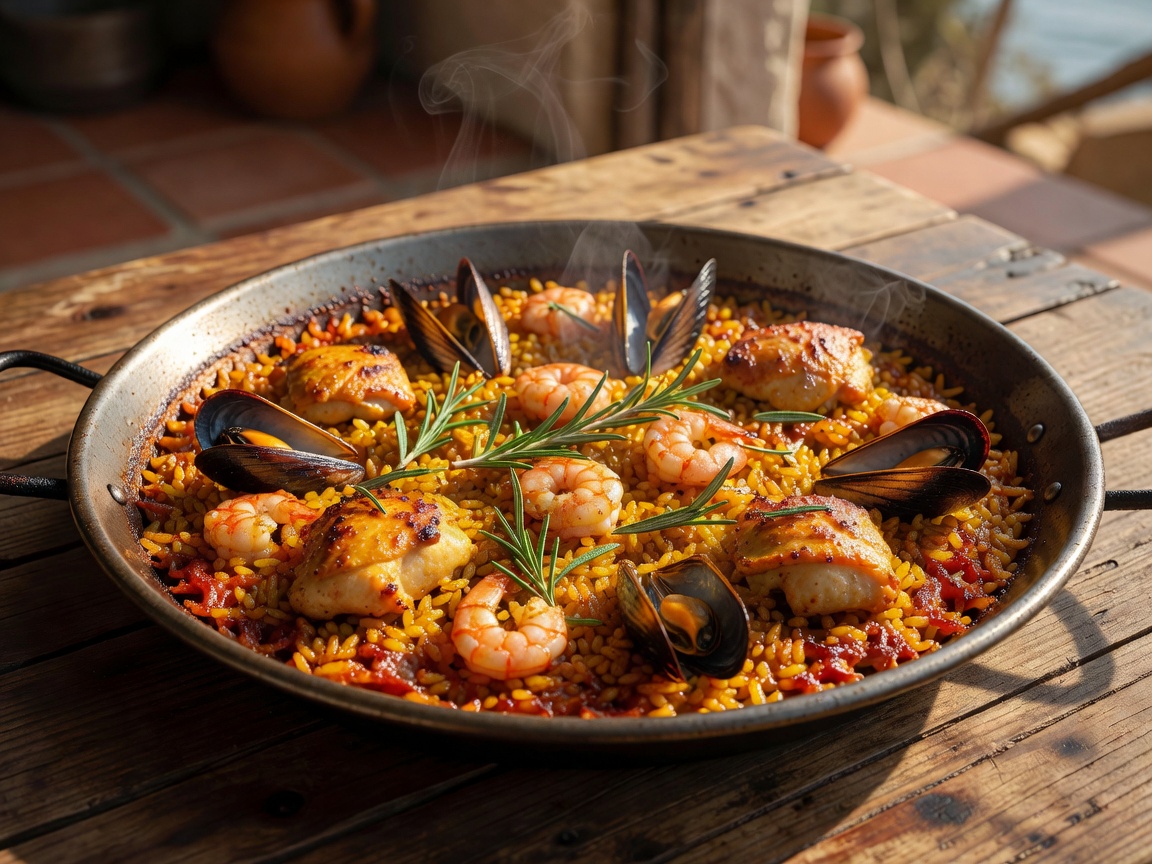
Traditional wide shallow pan of paella with crisp rice bottom and fresh rosemary

Paella Valenciana

Traditional Valencian paella is not full of chorizo and shrimp; it was invented in the Albufera rice fields with rabbit, chicken, green beans (bajoqueta), lima beans (garrofó), and fragrant saffron, cooked until a caramelized crunchy bottom layer (the socarrat) forms.

  • Core notes: Bomba short-grain rice, saffron broth, rosemary, wood smoke.
  • Good for: Sunday midday family feasts cooked outdoors over citrus wood.
Provence, France • Fishermen's Broth
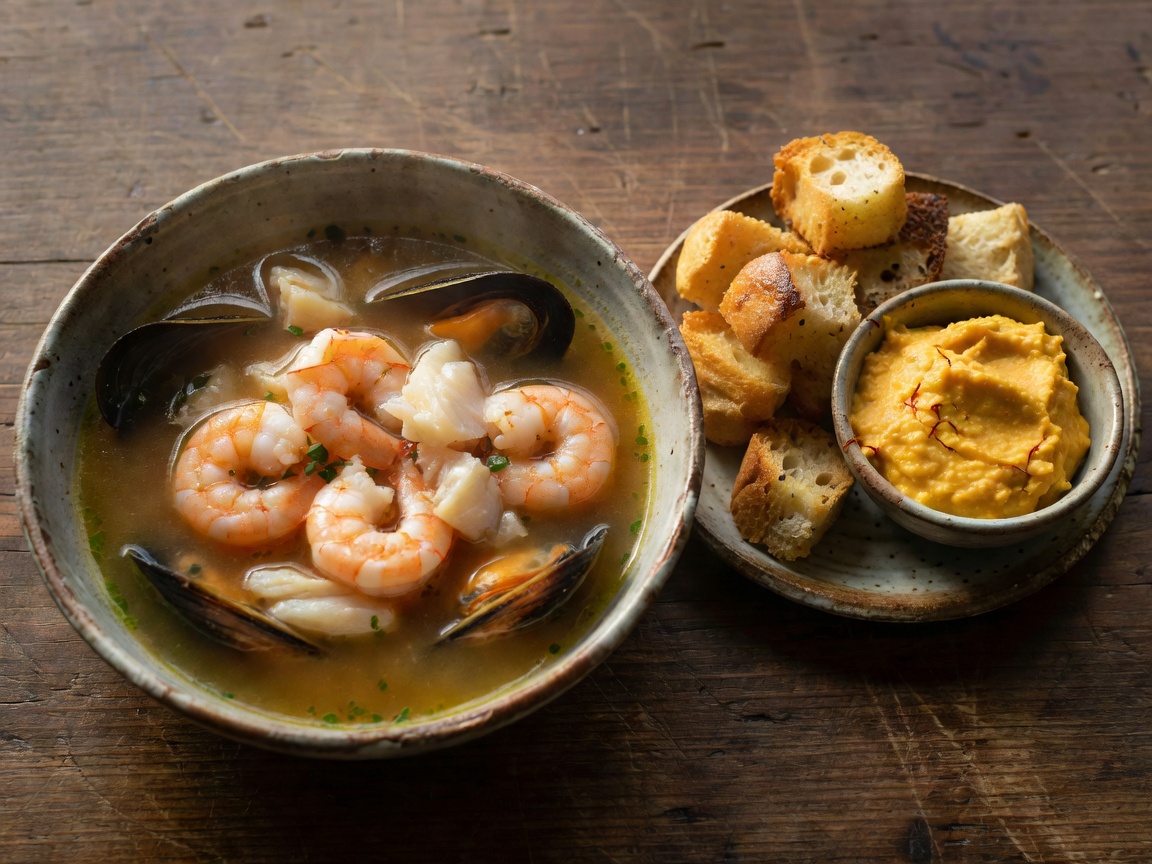
Rustic seafood broth served with croutons and garlic saffron rouille

Bouillabaisse

Originated as a Marseille dockworker stew using rockfish (rascasse, sea robin) too bony or rough for market stalls. The fish is boiled rapidly with fennel, saffron, orange peel, and tomatoes, served with crusty bread and a pungent garlic-chili rouille.

  • Core notes: Coastal rockfish, wild fennel fronds, orange zest, garlic.
  • Good for: Serious seafood lovers who appreciate intense, briny depth.
Sicily, Italy • Sweet & Sour Vegetable
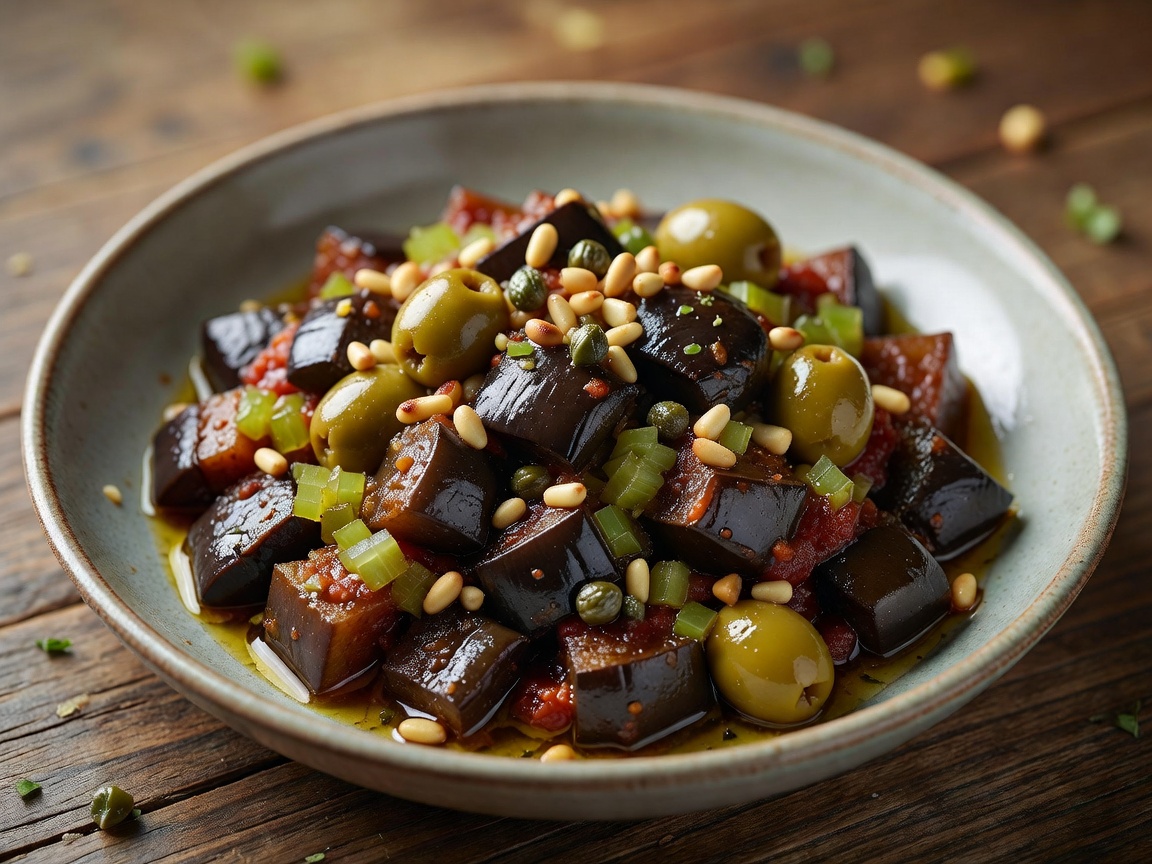
Glossy eggplant caponata with capers, celery, pine nuts, and green olives

Sicilian Caponata

A shining example of Sicily's agro-dolce (sweet and sour) heritage. Chopped fried eggplant is stewed with celery, capers, green olives, toasted pine nuts, vinegar, and a touch of sugar, creating a complex room-temperature preserve.

  • Core notes: Deeply browned eggplant, salted capers, red wine vinegar.
  • Good for: Antipasti boards alongside crusty durum bread and sharp pecorino.
North Africa & Middle East • Skillet Eggs
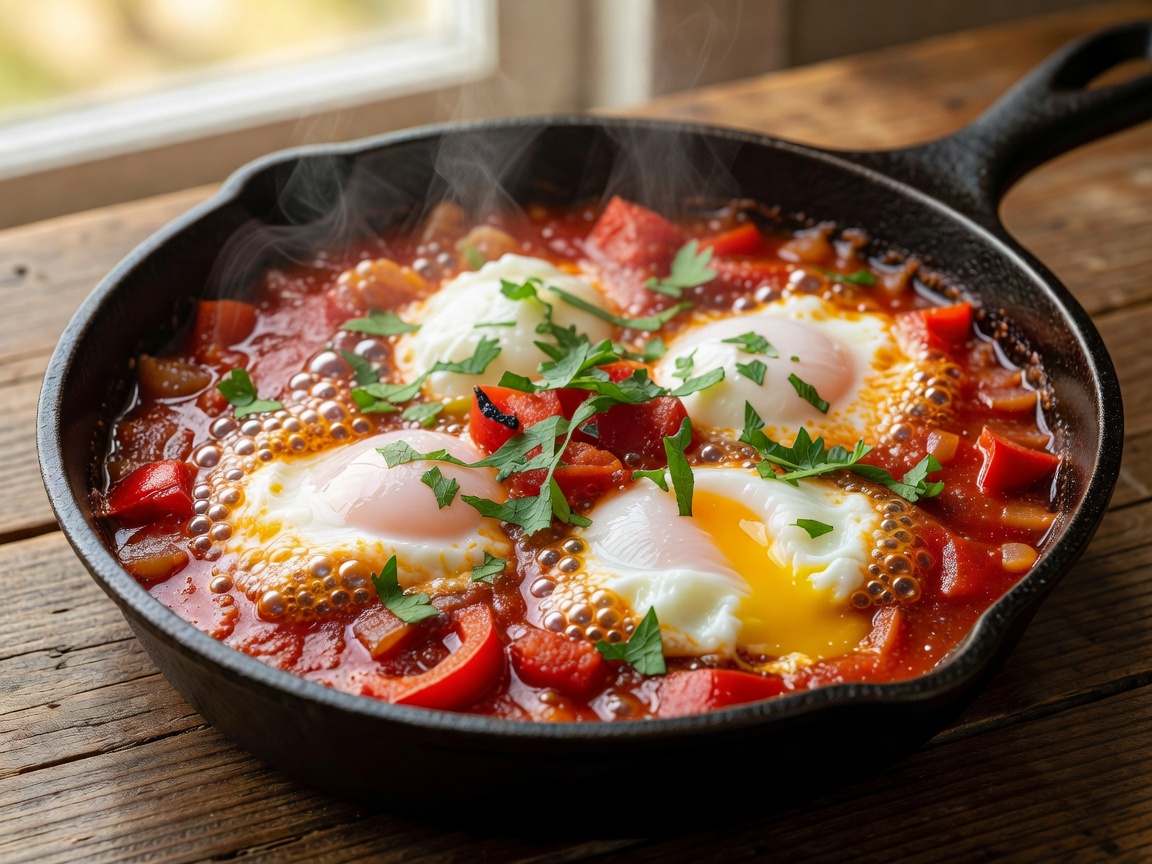
Cast-iron skillet of bubbling tomato-pepper sauce with gently poached eggs and parsley

Shakshuka

Gentle eggs poached directly in a simmering stew of sweet bell peppers, ripe tomatoes, cumin, sweet paprika, and spicy chili or harissa. It is served straight from the iron skillet with hot pita or crusty bread for tearing and dipping.

  • Core notes: Sweet peppers, toasted cumin seeds, runny yolks, fresh coriander.
  • Good for: Communal brunches and quick, deeply satisfying dinners.
Morocco • Sweet-Savory Pastry
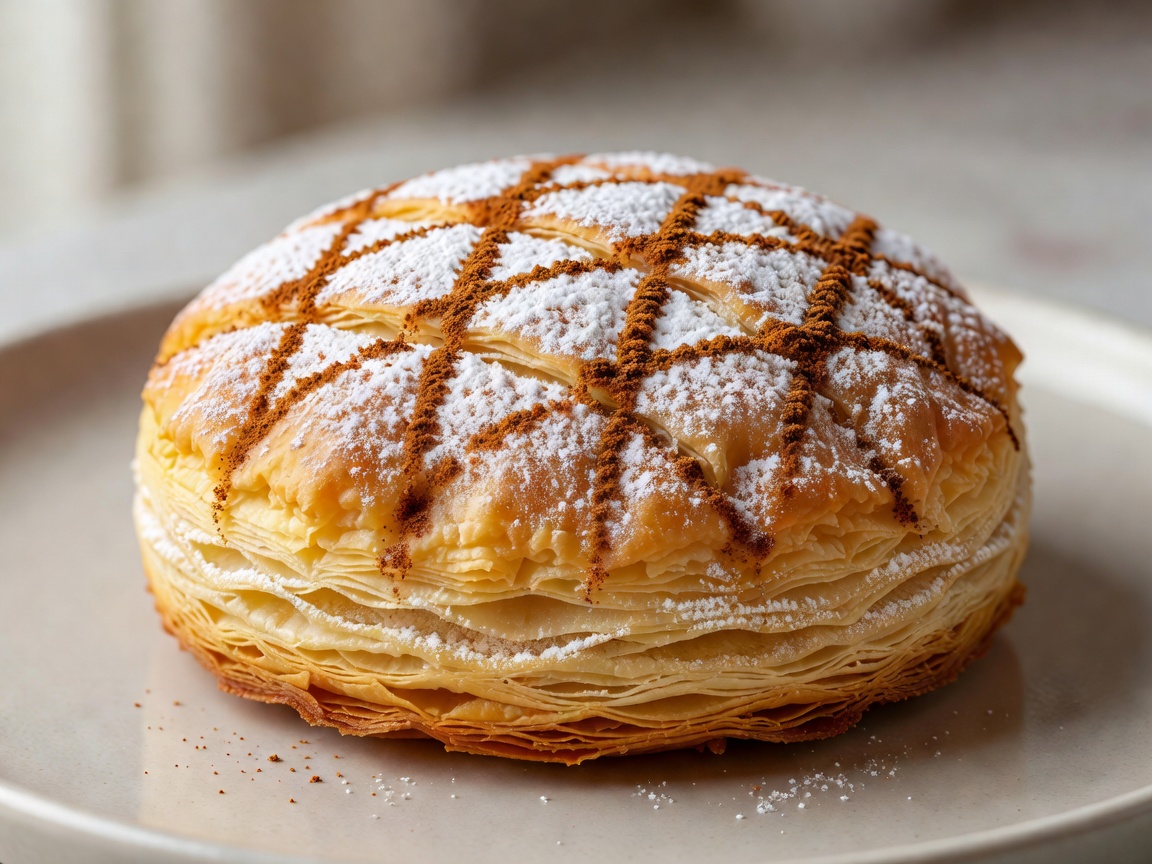
Round golden phyllo pastry dusted with powdered sugar and cinnamon lattice lines

Pastilla (B'stilla)

An exquisite celebration pie layering crisp warka (paper-thin pastry) with slow-braised pigeon or chicken spiced with saffron, ginger, and nutmeg, finished with toasted crushed almonds, cinnamon, and powdered sugar.

  • Core notes: Saffron-poached poultry, toasted almonds, cinnamon dusting.
  • Good for: Special wedding celebrations and ceremonial family banquets.

Good to Know: The Golden Rules of Ordering & Cooking

1. Seasonality dictates the plate: In true Mediterranean cooking, gazpacho is strictly a mid-to-late summer dish because off-season pale pink greenhouse tomatoes simply do not have the natural sweetness required.

2. Bread is your utensil: In Spain, Greece, and Lebanon, a piece of sourdough or warm flatbread is functionally an extra piece of silverware used to catch every drop of infused olive oil and sauce.

3. Never rush the oil: Whether browning onions for a sofrito or dressing a simple salad of cucumbers and sheep's feta, use oil with intention—it is an ingredient, not just a cooking lubricant.

Curious about the building blocks?

Discover the pantry essentials—from cold-pressed olive oils to wild mountain herbs—that make these recipes sing.

Explore Key Ingredients →